Many small business owners only think about IT when something breaks. But reactive IT can cost more than you might expect.
When technology decisions don’t match business needs, you can end up with unused software, rising costs, inefficient processes, and security risks.
Successful businesses choose technology that supports clear goals. Aligning IT with your business simply means making sure every technology investment has a purpose and delivers value.
This guide covers the practical steps to get there: understand your needs, review your current technology, create a plan, measure results, and adjust as your business grows. Working with a local managed IT company can also take the pressure off your team, allowing you to focus on running your business.
Quick Summary:
Start with your business goals, review your current technology, and create a clear plan with priorities and timelines. Measure whether your technology investments are delivering results, then review and adjust the plan as your business changes. A trusted managed IT services provider can help with assessments, budgeting, planning, and ongoing support.
Why IT Should Be Part of Business Strategy
IT is no longer just about fixing problems. It plays a key role in how your business operates every day.
When technology supports your business goals, it becomes an investment that helps you work smarter. Leaders get better information, customers get better service, and your team spends less time dealing with slow or outdated systems.
For businesses in Edmonton and Calgary, where service and reliability matter, the right technology can help you move faster while reducing risk and unnecessary costs. Services such as business enhancement focus exactly on connecting technology decisions to those longer-term objectives.
Start with Your Business Objectives
Before you look at servers or software, write down what the business actually needs to achieve. Growth targets, revenue goals, better customer service, tighter operations, compliance needs, and risk reduction all shape the technology choices that follow.
Ask yourself:
- Where do you want the company in the next one to three years?
- Which customer pain points cost you the most right now?
- What compliance or industry rules must you meet?
- How much downtime or data loss can the business truly absorb?
These answers become the filter for every later decision. Without them, even good technology can miss the mark.
Evaluate Your Current IT Environment
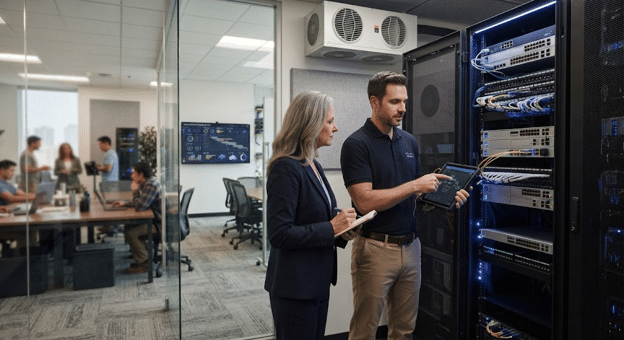
Once the goals are clear, take an honest look at what you already run. This means checking infrastructure health, software licences, hardware age, security posture, network performance, and any cloud services in use.
Common weak spots include outdated servers that slow everything down, software that no longer matches how staff work, weak backup routines, or networks that struggle with remote users.
A structured assessment surfaces these gaps so you can decide what to keep, replace, or improve. This step prevents the expensive habit of buying new technology that simply stacks on top of old problems. Looking at server design and management options often reveals quick wins here.
Build a Technology Roadmap
Once you know your goals and current systems, build a simple technology roadmap. This is a practical plan with clear priorities, timelines, and budgets, not a wish list.
Focus first on what will help the business most. An old server that could cause downtime usually comes before a new software feature. Security gaps that put operations at risk go near the top.
The roadmap gives the leadership and the IT team a shared plan to follow, turning vague intentions into clear next steps. When cloud or hosting changes are part of the plan, managed hosting services can provide a stable foundation without the usual surprises.
Measure Success with Meaningful KPIs
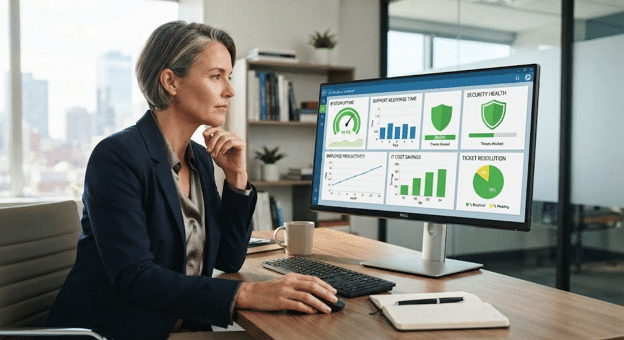
You cannot manage what you do not measure. Choose a short list of indicators that actually connect to business results:
- Reduced unplanned downtime
- Faster resolution of support issues
- Higher staff productivity on core tasks
- Fewer security incidents
- Clear cost savings or avoided costs
- On-time completion of planned projects
- Return on the technology investments made
Review these numbers regularly. They show whether the alignment work is producing real value or whether adjustments are needed. Reliable IT help desk services often play a direct role in improving several of these measures.
Review and Adjust Your IT Strategy Regularly
Alignment is not a one-time project as business conditions change and new risks appear. Technology options improve. Schedule quarterly check-ins and a fuller annual review.
In these reviews, check for new tools that could help, growth that is pushing your current systems, and any fresh risks. Small regular adjustments keep the plan useful instead of letting it fall behind.
How Managed IT Services Support Strategic Planning
Many small businesses lack the internal bandwidth or specialized knowledge to run this process alone. An IT company brings experience across many similar companies and can fill that gap.
They offer strategic consulting, thorough technology assessments, realistic budget planning, business continuity support, and ongoing guidance. Instead of reacting to the next crisis, you gain a partner who helps you stay ahead of problems and match technology choices to the goals that matter.
For companies in Edmonton and Calgary, this local presence means advice grounded in the realities of the Alberta market, not generic recommendations from far away. Additional support options are also available through additional IT services when specific needs arise.
Make Technology a Competitive Advantage
When technology and business goals work together, IT becomes an investment that supports growth. Employees work more efficiently, customers get a better experience, and risks stay lower.
Take a fresh look at whether your current systems support where you want your business to go. If they don’t, it may be time to talk with a partner who understands both technology and the needs of local businesses.
Whether you are planning for growth, tightening operations, or modernizing systems that have fallen behind, Tech Masters Inc. can help you build and maintain an IT approach that serves your real business goals now and as those goals evolve. Schedule a meeting to discuss how the right alignment can free up time, reduce surprises, and support the results you care about.
Additional Resources
Explore these related resources for practical advice on strengthening your IT infrastructure, reducing risk, and supporting business growth.
Frequently Asked Questions
What does it mean to align IT with business goals?
It means every technology decision and investment is chosen because it supports a specific, measurable business outcome such as growth, better service, lower risk, or improved efficiency, rather than being added for its own sake.
Why do many small businesses struggle with this alignment?
Most treat IT as a pure support function and make technology purchases without clear links to current business priorities. The result is wasted spending, security gaps, and systems that do not help the company move forward.
How often should a business review its technology roadmap?
A light review every quarter and a fuller planning session once a year works well for most companies. More frequent checks make sense during rapid growth or after major changes in the market or regulations.
Can a Managed IT Services provider really help with strategy, not just day-to-day support?
Yes. Good providers combine operational support with strategic advice, assessments, budgeting help, and long-term planning so technology stays matched to business needs over time.
What are the first practical steps for an Edmonton or Calgary business owner?
Write down your main business targets for the next one to three years, then request a clear assessment of your current systems against those targets. From there, a realistic roadmap becomes possible.
How do I know if the alignment work is succeeding?
Track a short set of indicators that matter to the business: downtime, support response times, staff productivity, security incidents, and actual cost results. When those numbers improve in ways that support your goals, the work is paying off.
Is this process only useful for larger companies?
No. Small and mid-sized businesses often gain the most because limited resources make every technology dollar more important. Clear alignment prevents expensive mistakes and focuses spending where it helps most.