
Imagine waking up to find your business systems locked by ransomware, or discovering that customer data has been stolen. For small and mid-sized businesses, these aren’t just headlines anymore, they are real risks that can threaten everything you’ve worked hard to build.
That’s exactly why Cyber Insurance has moved from “nice-to-have” to essential protection for many Canadian SMBs. It can help cover the high costs of breaches, ransomware, downtime, legal fees, and recovery.
But here’s the reality: getting approved isn’t as easy as it used to be. Insurers have significantly tightened their standards. They now expect you to prove you have solid cybersecurity basics in place before they’ll offer coverage.
This in-depth guide breaks down what Cyber Liability Insurance actually covers, the specific security controls insurers look for, common reasons businesses get denied, and practical steps you can take right now to strengthen your eligibility and better protect your company.
What Is Cyber Insurance?
Think of this as your business’s specialized recovery fund for digital disasters. Unlike traditional insurance, it’s built specifically for the unique risks of our online world.
A good policy can help cover:
- Data breaches: Costs to investigate, notify customers, and provide credit monitoring.
- Ransomware attacks: Negotiation support, recovery expenses, and sometimes ransom payments (check your specific policy).
- Business interruption: Lost income while your systems are down.
- Legal and regulatory cost: Fines, defence against lawsuits, and compliance with laws like PIPEDA.
- Incident response: Hiring experts for forensics and restoration.
- Notification and PR expenses: Getting the word out and protecting your reputation.
For small and mid-sized businesses (SMBs), these policies are a lifeline. One solid ransomware incident could otherwise wipe out months or years of profit.
Why More Canadian Businesses Are Considering Cyber Insurance
Cybercrime isn’t just a big-corporation problem anymore, it’s targeting SMBs like yours in Alberta and across Canada at alarming rates. Ransomware remains a top threat, with incidents rising sharply and average costs climbing into the millions for some breaches.
Many of your clients or vendors now demand proof of strong security (and insurance) before they’ll work with you. A good cyber policy helps meet those requirements while reducing your financial exposure. Plus, with rising awareness, more business owners realize that standard property or liability insurance often falls short on cyber events.
It’s not about fear, it’s about smart planning. Having the right coverage means you can focus on recovery instead of wondering how you’ll pay the bills.
Do You Automatically Qualify? Not Anymore
A few years ago, getting cyber insurance was pretty straightforward. Today? Not so much. Underwriting has become stricter because insurers have paid out huge claims and learned from the claims data.
Businesses must now demonstrate “basic cyber hygiene.” If your setup looks risky, you might face higher premiums, lower limits, specific exclusions, or even outright denial. Higher-risk industries (like healthcare, finance, or those handling lots of customer data) feel this pressure most.
The good news? With some straightforward improvements, most determined SMBs can qualify for solid coverage at reasonable rates.
What Insurers Typically Look For
Canadian insurers (think names like Intact, Northbridge, or others) focus on practical, proven controls. Here’s the checklist they commonly use:
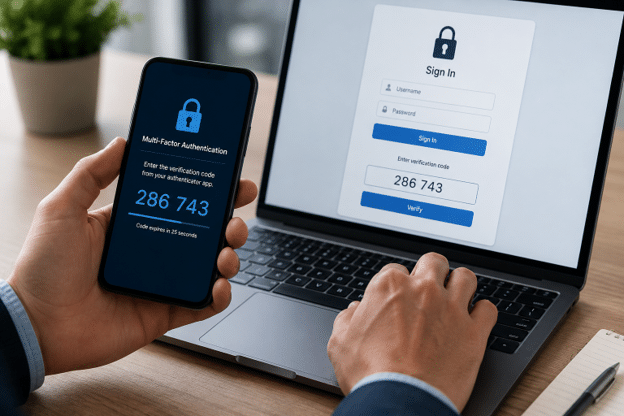
1. Multi-Factor Authentication (MFA)
This is often the top requirement. Enable MFA everywhere it counts, email accounts, VPN/remote access, admin consoles, and cloud platforms like Microsoft 365. It’s simple, effective, and stops most credential-stuffing attacks cold.
2. Endpoint Protection
Basic antivirus isn’t enough anymore. Modern Endpoint Detection and Response (EDR) tools with 24/7 monitoring are what insurers want to see on all devices.
3. Managed Hosting
Secure your foundation with reliable hosting. Using modern, secure hosting services can make a big difference. Good managed hosting often includes automatic security updates, built-in firewalls, malware scanning, and reliable offsite backups
4. Data Backup and Recovery
You need tested, reliable data backups, ideally following the 3-2-1 rule (3 copies, 2 media types, 1 offsite/immutable). Prove you can restore quickly with documented tests. Immutable backups (that can’t be altered by attackers) are a big plus.
5. Employee Security Awareness Training
Regular training on phishing, password hygiene, and social engineering. Insurers often want proof of completion, like annual sessions or simulated phishing tests.
6. Patch Management
keep software, operating systems, and firmware up to date. Have a process to identify and fix vulnerabilities quickly, with no lingering unpatched systems.
7. Access Controls
Follow the principle of least privilege. Limit admin rights, use strong identity management, and review access regularly.
8. Incident Response Planning
A documented plan that outlines who does what during a breach, including communication and recovery steps. Bonus if you’ve tested it.
These aren’t exotic measures, they’re the fundamentals that make your business harder to hit and easier to recover from.
Common Reasons Businesses Don’t Qualify
Many well-meaning owners get surprised during applications. Top red flags include:
- No or inconsistently applied MFA
- Weak or shared passwords
- Untested or non-existent backups
- Outdated legacy systems that can’t be patched
- Missing or undocumented cybersecurity policies
- No regular employee training
- Known unpatched vulnerabilities
Fixing these gaps not only improves insurability but also dramatically lowers your actual risk.

How SMBs Can Improve Their Eligibility
You don’t need a massive budget or a full-time CISO to get this done. Here’s a practical roadmap:
Start with a cybersecurity assessment. Many managed IT service providers offer affordable cybersecurity assessments tailored for Alberta businesses.
Close the basic gaps. Roll out multifactor authentication (MFA) across the board, upgrade endpoint protection, and implement a solid backup strategy with regular tests.
Document everything. Policies, training records, backup logs, and incident plans should be ready to share. Insurers love evidence.
Consider partnering with a managed security services provider. At Tech Masters, we help Edmonton and Calgary businesses implement exactly these controls in a practical, budget-friendly way, without disrupting your operations.
Maintain ongoing vigilance. Cybersecurity isn’t a one-time project. Schedule regular reviews, training, and monitoring.
Pro tip: Treat this like a business investment. The time and money you spend now often pays for itself through lower premiums and peace of mind.
Cyber Liability Insurance Is Not a Replacement for Security
Let’s be clear: insurance is fantastic for financial recovery, but it won’t stop an attack or magically restore your data. Prevention and strong controls come first. The best strategy combines solid cybersecurity, a tested response plan, and the right coverage. It’s like wearing a seatbelt and having good brakes, you want both.
Key Takeaways: Strengthen Security, Improve Insurability
Cyber insurance is quickly becoming a smart business necessity for Canadian small and mid-sized companies. Qualification increasingly depends on your cybersecurity maturity, but the bar is reachable with the right steps.
Take action today: assess your current setup, close the obvious gaps, and explore the right coverage for your business.
At Tech Masters, we help Edmonton, Calgary and businesses across Alberta with secure hosting and additional IT services designed to meet insurer standards. If you’d like practical guidance on improving your security posture or preparing for an application, we’d be happy to help.
Reach out to us today for a no-pressure chat about your setup, or call us at 1-780-485-2289 and speak with a member of our team.
Frequently Asked Questions
How much does Cyber Insurance cost for a small business in Alberta?
For most small and mid-sized businesses in Edmonton and Calgary, annual premiums typically range from $1,500.00 to $5,000.00+, depending on your revenue, industry, number of employees, and current security controls.
Does cyber insurance cover ransomware payments?
Many policies offer coverage for ransomware-related expenses, including ransom payments in some cases. However, coverage details vary significantly between insurers.
Do I need cyber insurance even if I have good IT security?
Yes. Even the best security can’t guarantee 100% protection. This acts as your financial safety net for the incidents that slip through. Think of security as locking the doors, and insurance as having great medical coverage if something still happens.
How long does it take to get Cyber Insurance approved?
The application process usually takes 1–3 weeks. Insurers may ask for details about your IT setup, security controls, and sometimes request a cybersecurity questionnaire or assessment. Businesses that are well-prepared with documented controls often get approved faster.
Will a past cyber incident prevent me from getting coverage?
Not necessarily. Many insurers will still offer coverage after a breach, but they’ll want full details about what happened, how it was resolved, and what improvements you’ve made since. Being transparent and showing stronger security afterward can actually help your application.
Can I buy cyber insurance through my regular business insurance broker?
Yes. Many commercial insurance brokers in Alberta now offer cyber insurance. However, working with a broker who understands both policy types (or partnering with an IT provider) often leads to better policy recommendations and smoother underwriting.